Personal Expression Over Template Compliance
The most visually compelling goths are rarely the ones who most closely replicate the template. They are the ones who have developed a genuinely personal aesthetic that happens to be built from goth's vocabulary. Siouxsie Sioux did not look like anyone else. Robert Smith looks like no one except Robert Smith. The founding figures of goth style were artists creating something new — not followers of a dress code that came after them.
Unconventional goth style starts from this same position: what is your specific relationship with darkness, and how does it want to express itself visually? The answer will be different for each person. For some unconventional goths, it is a single dramatic piece — a spectacular coat, extraordinary boots — worn against otherwise simple clothes. For others, it is Victorian romanticism with deliberately light hair as counterpoint. For others, it is the darkwave aesthetic of sleek minimalism rather than elaborate goth maximalism.
Style as Conversation
Consider your overall aesthetic as a conversation between elements rather than a uniform. Dark clothing in conversation with light hair. Classic silhouette in conversation with one dramatic jewellery piece. The more deliberate the choices, the more the overall effect reads as intentional rather than accidental. Unconventional aesthetics work best when they are clearly conscious rather than merely incomplete versions of the standard template.
Light Hair as Aesthetic Element
For blonde and light-haired goths specifically: the most effective approach is to treat the light hair as an aesthetic decision rather than a limitation. Style it deliberately into the overall look — dark hair accessories, Victorian pins and flowers, elaborate updos, or simply very well-maintained and styled hair that reads as part of the aesthetic rather than contrast to it. Some goths add a single dark or coloured streak; others use the natural colour as the deliberate contrast. Both work. What doesn't work is treating the hair as an apology.

In Practice
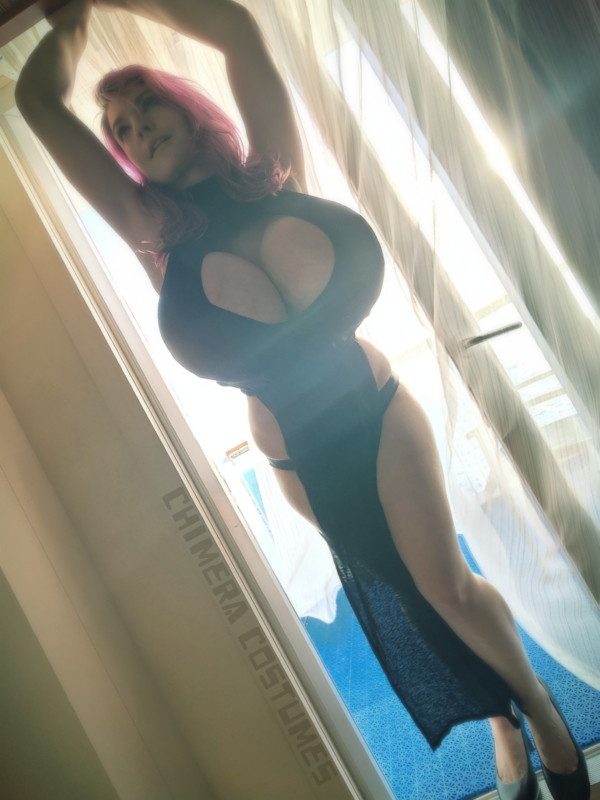
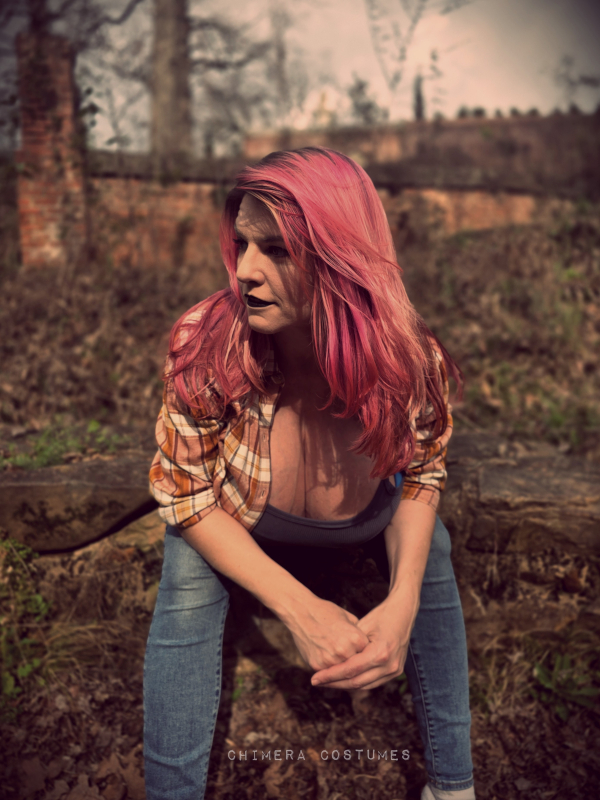
Chimera Costumes builds dark fantasy costumes from scratch — shadow elves, vampire queens, gothic sorceresses — and is a working example of goth aesthetic applied with genuine craft. Free build content on Twitch and YouTube. Exclusive sets on Patreon. Adult goth content on OnlyFans (18+).