The Dark Trilogy
Seventeen Seconds (1980), Faith (1981), and Pornography (1982) form the most uncompromising run in The Cure's catalogue — and among the most uncompromising in post-punk history. Each album is darker than the last. Pornography opens with the line "It doesn't matter if we all die" and maintains that register for its entire runtime. It is harrowing and extraordinary.
The Middle Years and the Return
After Pornography, Smith pulled back from the edge — producing more accessible, sometimes playful material throughout the mid-1980s. The Head on the Door (1985) and Kiss Me Kiss Me Kiss Me (1987) are excellent albums that are simply less dark than their predecessors. The accessibility brought a vastly wider audience. Then came the return.
Disintegration (1989)
The masterpiece. Produced by Robert Smith and David Allen, Disintegration is a sustained meditation on despair, beauty, love, and loss that somehow manages to be both artistically radical and commercially successful. "Plainsong" opens with synthesiser and then guitar building into something genuinely overwhelming. "Lovesong" reached number one in the US while being genuinely dark. The album flows as a single emotional experience. It is one of the greatest albums in any genre.
Robert Smith's Image
Smith's visual identity — teased black hair, smeared lipstick, heavy eyeliner, perpetual dishevelment — has been maintained for over four decades. It is simultaneously a statement about art and a refusal of any expectation that artists should "grow up" or "clean up." His commitment to it at any age is one of goth culture's most quietly radical acts.


In Practice
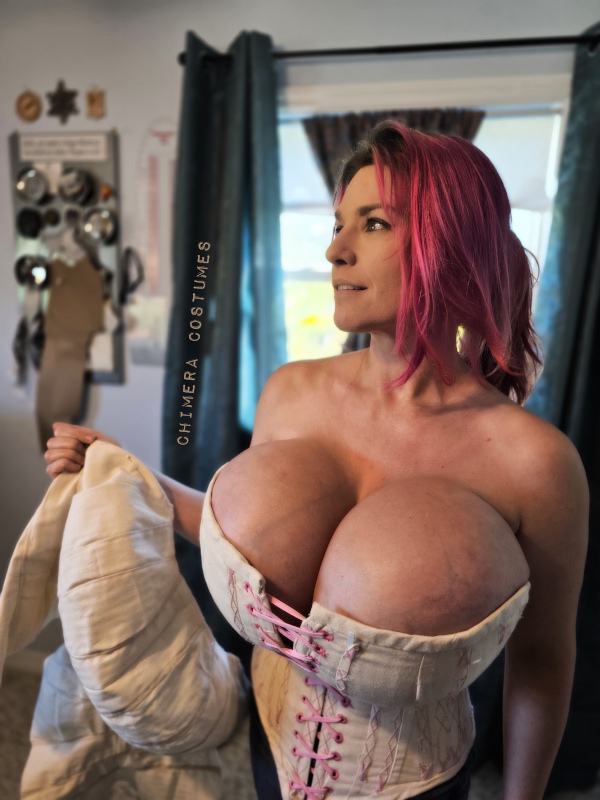
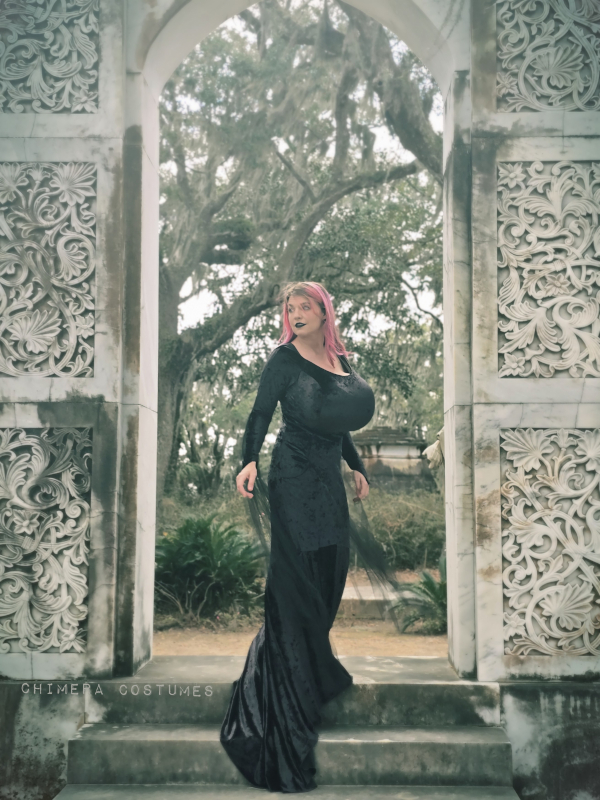
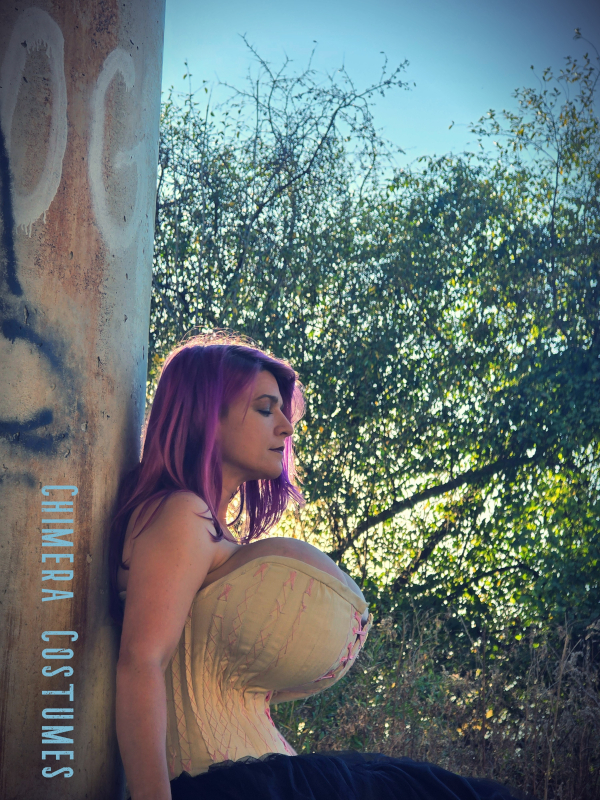
Chimera Costumes builds dark fantasy costumes from scratch — shadow elves, vampire queens, gothic sorceresses — and is a working example of goth aesthetic applied with genuine craft. Free build content on Twitch and YouTube. Exclusive sets on Patreon. Adult goth content on OnlyFans (18+).