The First Wave of Co-Option
As soon as goth became identifiable as a distinct subculture in the early 1980s, mainstream culture began processing it. Music journalism applied the "goth" label, sometimes helpfully and sometimes reductively. Fashion industry picked up the visual elements — black clothing, dramatic makeup — and sold them without the cultural context. By the late 1980s, a "goth look" was commercially available on high streets across Britain and North America, entirely detached from the music and philosophy that generated it.
Why Goth Survived
Goth survived repeated waves of mainstream co-option for a fundamental reason: the culture's deepest values are not replicable through surface aesthetics. You can sell black clothing. You cannot sell the experience of Disintegration reaching you in the dark. The cultural depth — the music history, the literary tradition, the philosophical relationship with mortality — is not available for purchase. Those who arrived through the surface aesthetic either go deeper into the genuine culture or lose interest.
The Internet and Aesthetic Proliferation
Social media created new dynamics for goth's relationship with the mainstream. "Goth aesthetic" became a popular visual genre online largely divorced from the music culture. "Soft goth," "nu goth," and "dark academia" aesthetics incorporated elements of goth visual language for much broader audiences. This has effects in both directions: greater visibility for goth culture, and greater dilution of the specific cultural content into a generic dark aesthetic.
What It Means for Unconventional Goths
The unconventional goth exists at an interesting position in this dynamic. They are less likely to have arrived through surface aesthetics and more likely to have genuine cultural engagement. Their very existence challenges the reductive stereotype that mainstream culture created. The blonde who knows every Sisters of Mercy b-side is a direct rebuttal to every lazy goth caricature.
In Practice
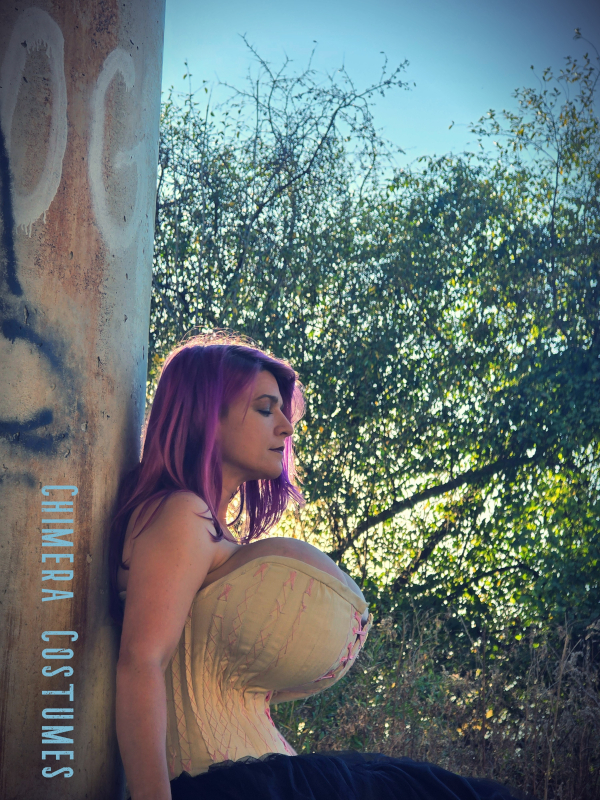
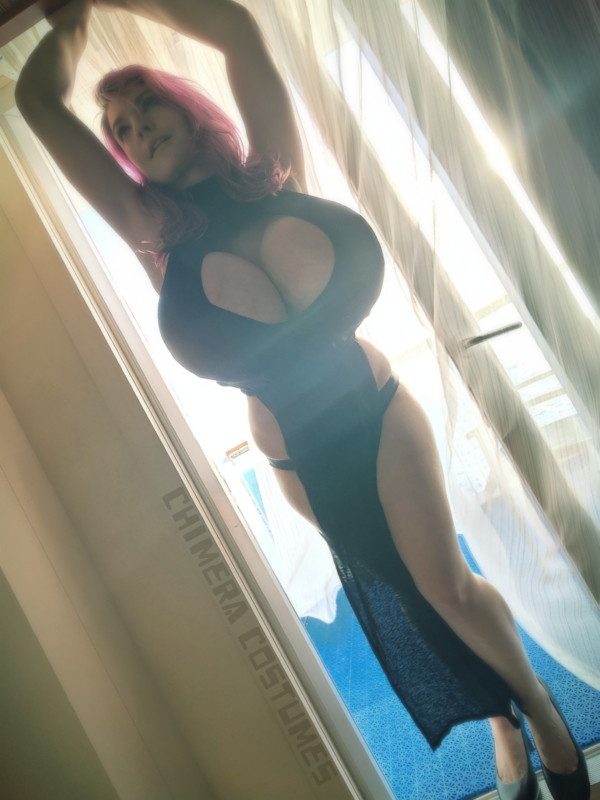
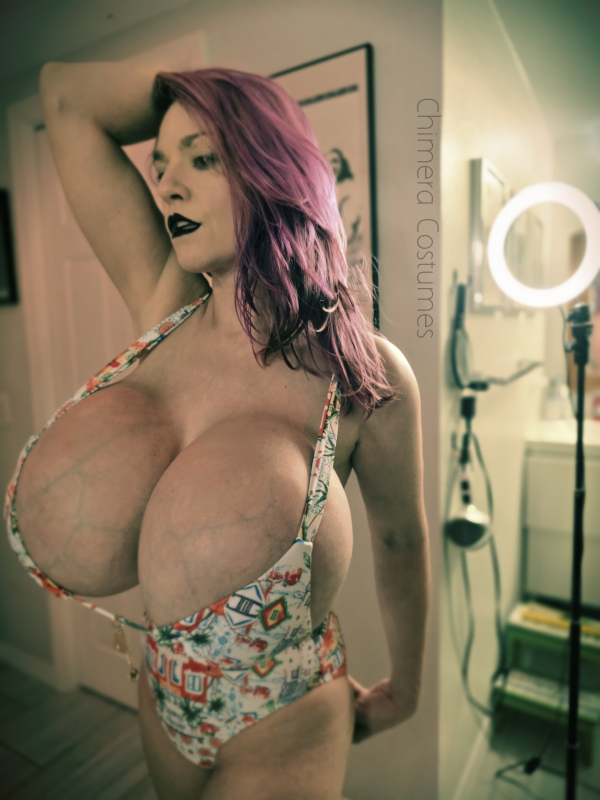
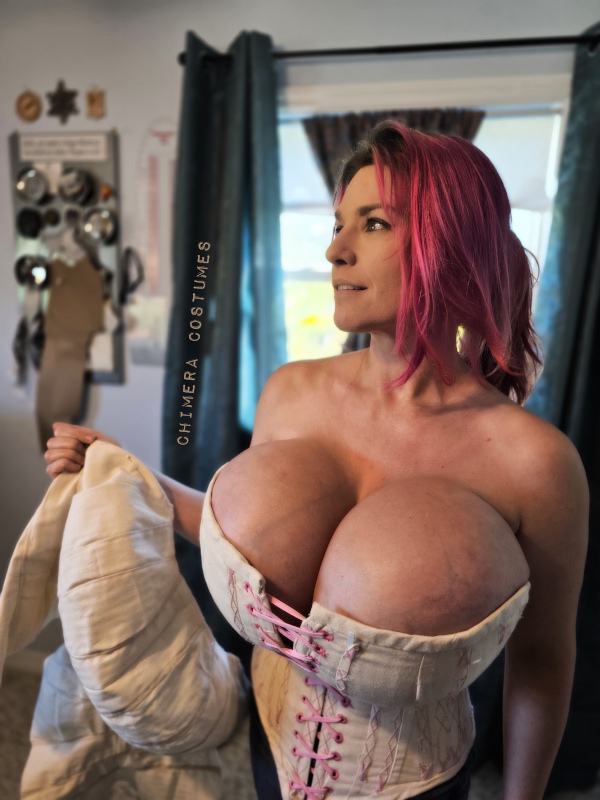
Chimera Costumes builds dark fantasy costumes from scratch — shadow elves, vampire queens, gothic sorceresses — and is a working example of goth aesthetic applied with genuine craft. Free build content on Twitch and YouTube. Exclusive sets on Patreon. Adult goth content on OnlyFans (18+).