Traditional Goth
Trad goths align with the 1980s classic aesthetic: Bauhaus, Sisters of Mercy, the Batcave era. The music is the primary credential; the fashion follows the early-1980s template of black clothing, teased hair, and dramatic makeup. Trad goth is a conscious stance of authenticity — a desire to stay connected to the culture's post-punk origins rather than its later, more diffuse iterations.
Romantic Goth
Romantic goth draws from the Romantic literary tradition — Byron, Keats, Shelley — and the Victorian aesthetic of beautiful mourning. The fashion tends toward flowing fabrics, lace, deep jewel tones, and an overall sense of beautiful melancholy. This subgenre may be the most accommodating for light-haired goths — its aesthetic naturally incorporates pale tones and period-appropriate styling, and its literary inspiration is explicitly connected to the Pre-Raphaelite tradition where blonde and auburn hair was celebrated.
Darkwave
Darkwave's aesthetic is more contemporary and fashion-forward than classic goth — sleek silhouettes, precise styling, electronic music with minimal and controlled aesthetics. The visual vocabulary is less dependent on specific hair colour than almost any other goth subgenre; the darkwave aesthetic is defined by intention and precision rather than by adherence to any particular visual template.
Victorian Goth
Victorian goth draws directly from 19th century mourning and formal fashion: long dark garments, lace, corsets, top hats, elaborate jewellery, Victorian hair arrangements. The aesthetic explicitly draws from a period when pale or fair colouring was considered a beauty standard; silver and blonde hair in Victorian goth reads as period-appropriate rather than non-compliant.
Cybergoth
Cybergoth's synthetic falls and UV-reactive accessories mean light hair is actively advantageous — the most dramatic cybergoth looks are built on exactly the kind of high contrast that light natural hair creates.

In Practice
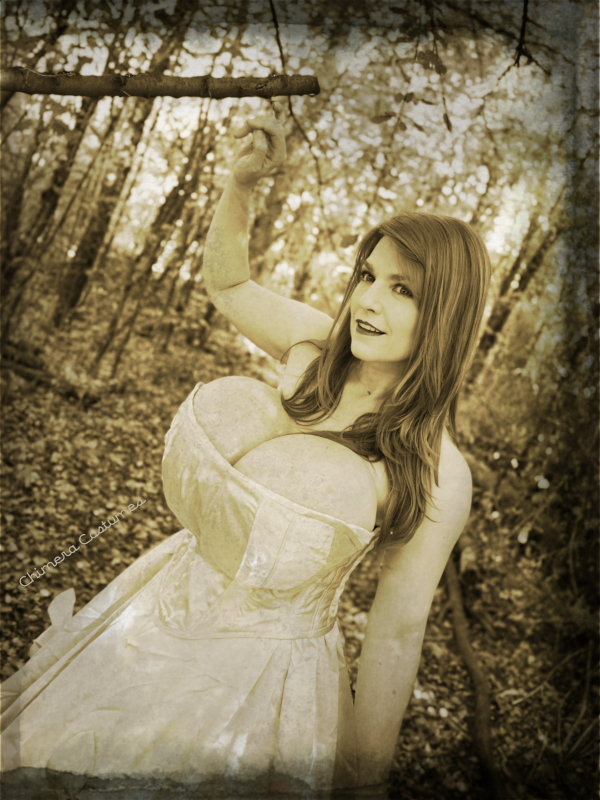
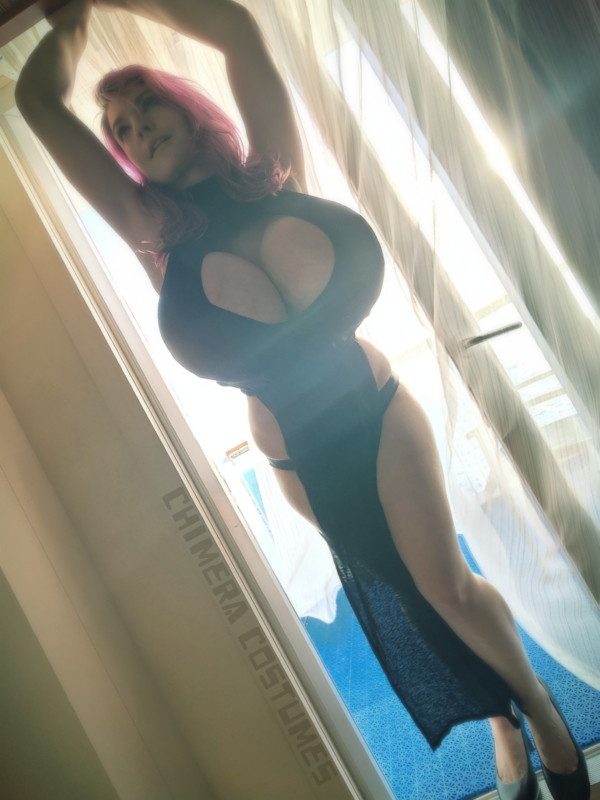
Chimera Costumes builds dark fantasy costumes from scratch — shadow elves, vampire queens, gothic sorceresses — and is a working example of goth aesthetic applied with genuine craft. Free build content on Twitch and YouTube. Exclusive sets on Patreon. Adult goth content on OnlyFans (18+).