Autumn: The Sacred Season
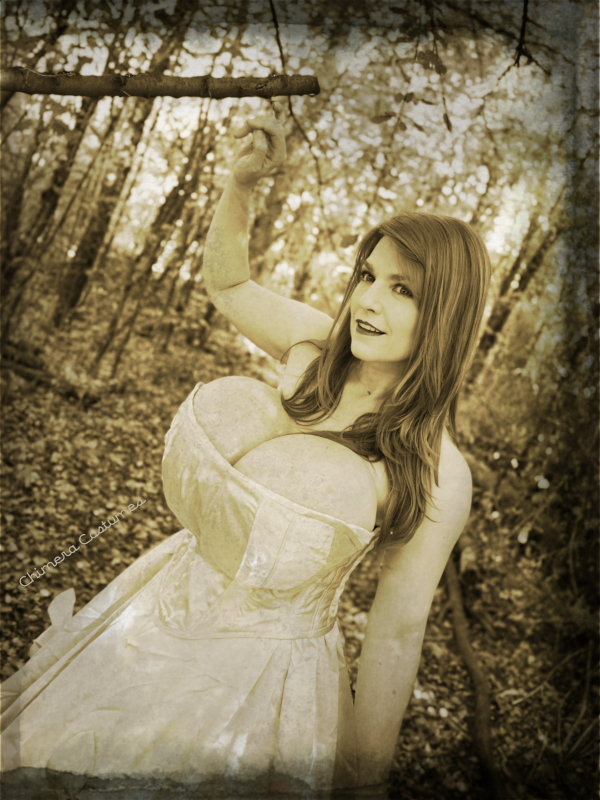
Autumn is goth's most celebrated season — and rightly so. The dying of the light, the decay of leaves into burgundy and amber, the bare branches against grey sky, the fog settling in low hollows at dusk. The world briefly looks the way goth culture perceives it year-round: beautiful, slightly melancholy, preoccupied with endings. Type O Negative's October Rust exists as the definitive artistic document of autumn as goth experience. For the blonde goth, autumn has additional aesthetic pleasures — pale hair among falling leaves has a specific Pre-Raphaelite quality that suits the season perfectly.
Winter: The Dark Absolute
Winter strips the world to its essentials. Bare trees, grey sky, short days, and long nights — the world at its most austere and most beautiful. The quality of winter light — angled, cold, making ordinary things look as if they're in a painting — is one of the small pleasures that goths catalogue and non-goths walk past. Candlelight against a dark winter window. Frost patterns on glass. The intimacy forced by cold and darkness. These are goth pleasures regardless of hair colour.
Spring: Rain and Renewal
Spring rain is underrated in goth aesthetics. The smell of wet earth after dry cold, the grey-green of new growth against still-bare trees, the atmospheric quality of an April storm. Spring also brings the festival season — WGT in Leipzig typically falls in late May or early June, the goth pilgrimage that marks the return of warmth in the most darkly celebratory possible way.
Summer: Night Culture
Summer challenges the goth aesthetic in obvious ways — relentless brightness, heat, the social pressure toward cheerfulness. But summer nights compensate enormously. Warm darkness, outdoor festival stages, the particular quality of a goth club on a summer night when the cool of the interior against the heat outside creates a kind of sanctuary. Summer is for the darkness that the season tries to suppress.

In Practice
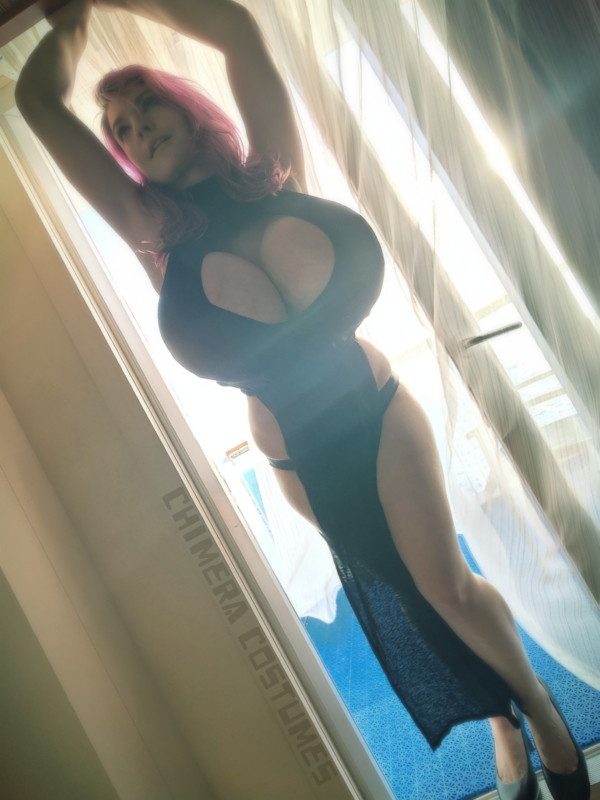
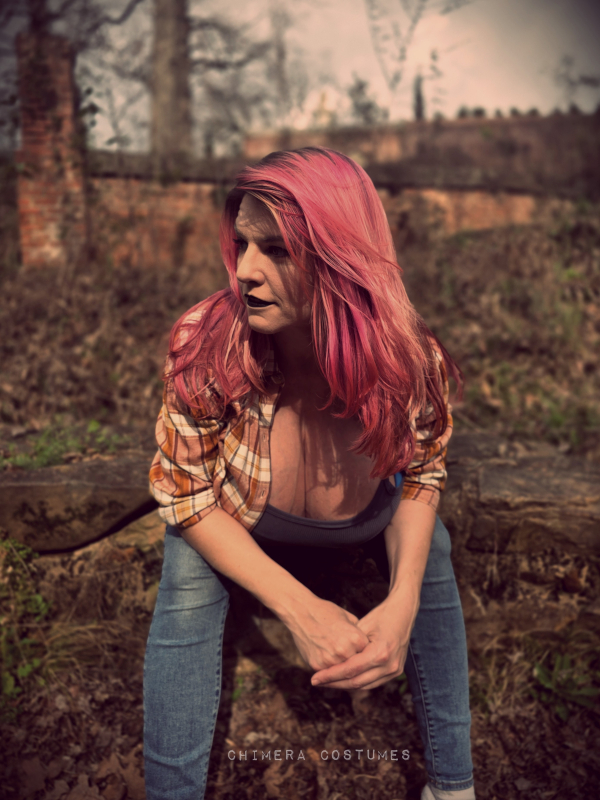
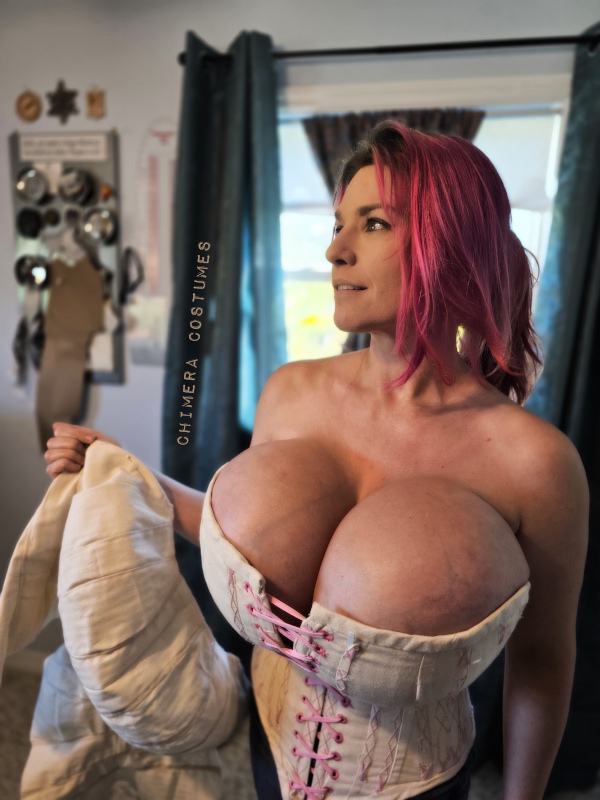
Chimera Costumes builds dark fantasy costumes from scratch — shadow elves, vampire queens, gothic sorceresses — and is a working example of goth aesthetic applied with genuine craft. Free build content on Twitch and YouTube. Exclusive sets on Patreon. Adult goth content on OnlyFans (18+).