The Lighting Philosophy
Dark photography is not simply underexposed photography — the distinction matters. A successful dark portrait has one clear, controlled light source illuminating part of the subject against surrounding darkness. The light creates drama; the dark creates atmosphere. Even lighting — the default of automatic camera systems — produces flat images that fail to convey goth aesthetic. Switch to manual, identify your light source, and expose for the lit areas.
Light Hair as Photographic Advantage
In dark portrait photography, light hair is frequently an advantage rather than a problem. Light hair in low-key lighting creates a natural halo or rim-light effect that dark hair cannot produce — the light catches and separates the subject from the background in ways that add to the atmospheric quality. Many of the most striking dark portrait photographs feature exactly this combination: very pale skin, dramatically dark makeup, and light hair that catches the edge-light beautifully.
Locations
Gothic architecture (churches, old buildings, Victorian structures), cemeteries with appropriate permission, abandoned buildings with appropriate safety precautions, fog-drenched natural settings, and controlled indoor environments (candlelit rooms, period interiors) all suit goth aesthetic photography. The environment should add to the atmosphere rather than fight against it. A goth portrait in a fluorescent-lit office is not a goth portrait.
Post-Processing
Goth photography benefits from post-processing that deepens shadows, cools colour tones, and adds texture or grain. The goal is not technically clean, commercial-photography-standard images but images that carry emotional weight and atmosphere. Desaturation toward near-monochrome, with selective colour retained in the makeup or accessories, is a classic approach for atmospheric dark portraits.
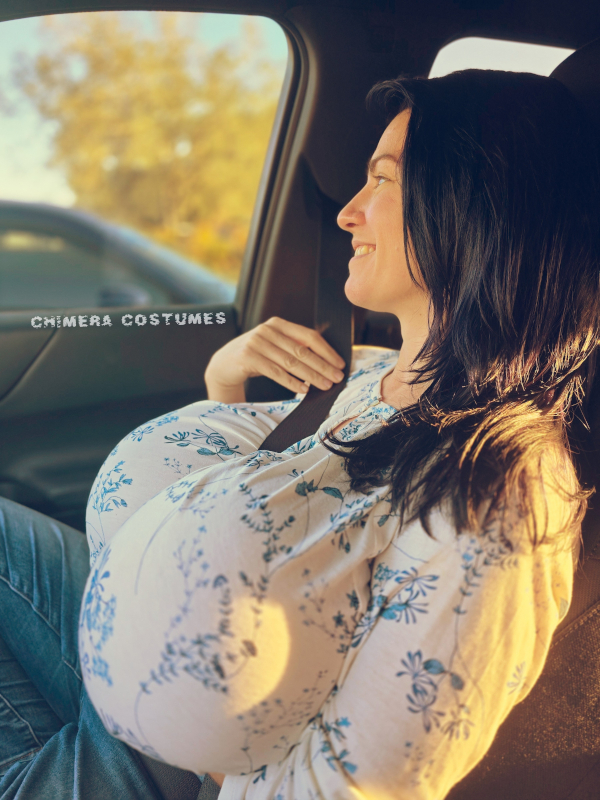
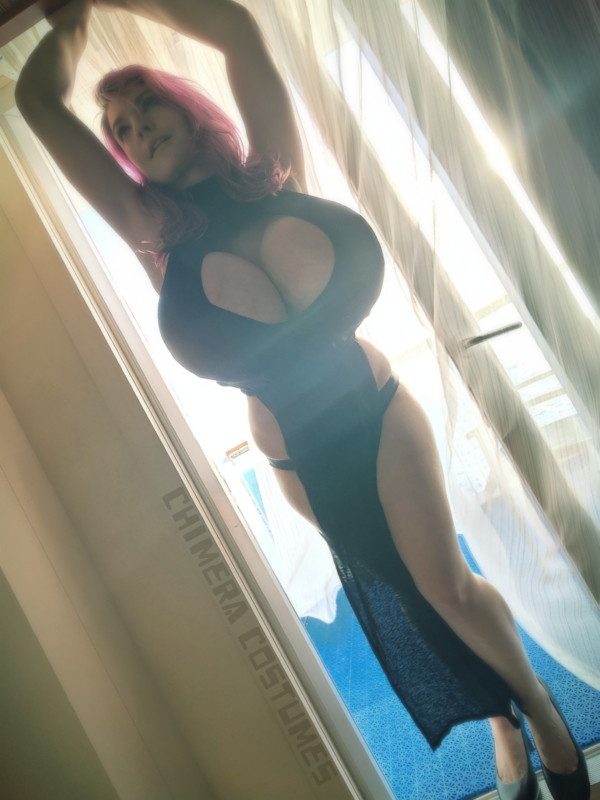
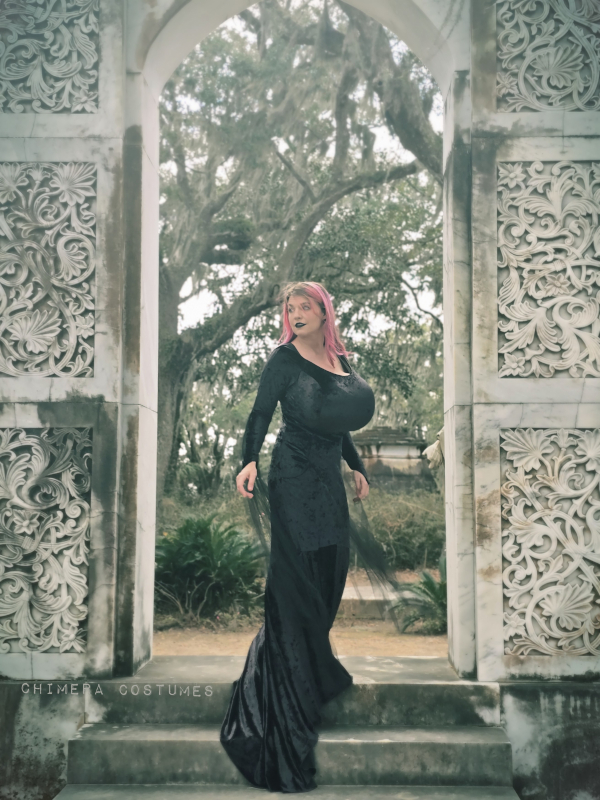
In Practice
Chimera Costumes builds dark fantasy costumes from scratch — shadow elves, vampire queens, gothic sorceresses — and is a working example of goth aesthetic applied with genuine craft. Free build content on Twitch and YouTube. Exclusive sets on Patreon. Adult goth content on OnlyFans (18+).