The Gothic Root
The Gothic novel as a literary form began with Horace Walpole's The Castle of Otranto (1764) — crumbling castle, supernatural events, tyrannical patriarch, buried secrets — and developed through the 18th and 19th centuries into one of literature's most psychologically sophisticated traditions. Mary Shelley, Bram Stoker, Edgar Allan Poe, and Daphne du Maurier all worked within or alongside it.
The Essential Reading List
Mary Shelley — Frankenstein (1818): The most philosophically substantial Gothic novel. The creature's question to its creator — "did I request thee, Maker, from my clay to mould me man?" — is the goth question. The book is about being made and abandoned, about the relationship between creation and responsibility, about what it means to exist outside of normal human belonging.
Edgar Allan Poe — Complete Tales and Poems: Every word. The Fall of the House of Usher, Ligeia, The Tell-Tale Heart, The Raven. Poe returns obsessively to the same preoccupations: beautiful dead women, the collapse of ancient families, the narrator descending into madness. His prose has a musical quality that rewards reading aloud.
Bram Stoker — Dracula (1897): The epistolary novel that gave goth its most enduring icon. Count Dracula — ancient, aristocratic, sexually transgressive, fundamentally Other — remains powerful. The format, using letters and journal entries, creates unusual intimacy for a horror novel.
Daphne du Maurier — Rebecca (1938): Gothic atmosphere without supernatural elements — pure psychological dread. The opening line ("Last night I dreamt I went to Manderley again") is one of literature's great first sentences. The drowned wife who is never truly gone is quintessentially Gothic.
Shirley Jackson — We Have Always Lived in the Castle (1962): Quiet, strange, and deeply dark. Merricat's voice is unlike anything else in literature — matter-of-fact about terrible things, tender about ordinary ones, completely uninterested in social norms.
Anne Rice — Interview with the Vampire (1976): The modern vampire canon. Louis's doomed romanticism and existential anguish, Lestat's amoral vitality — the Vampire Chronicles gave goth culture a complete fictional universe that takes its sensibilities seriously.


In Practice
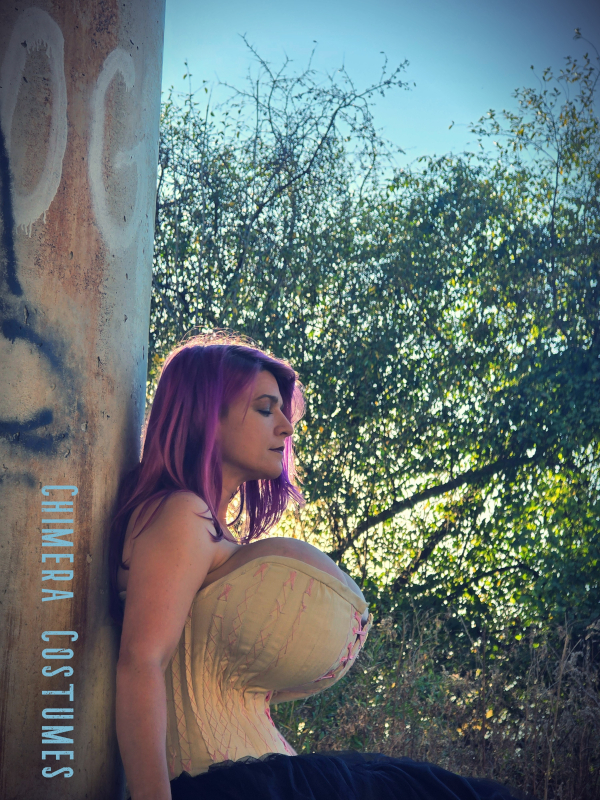
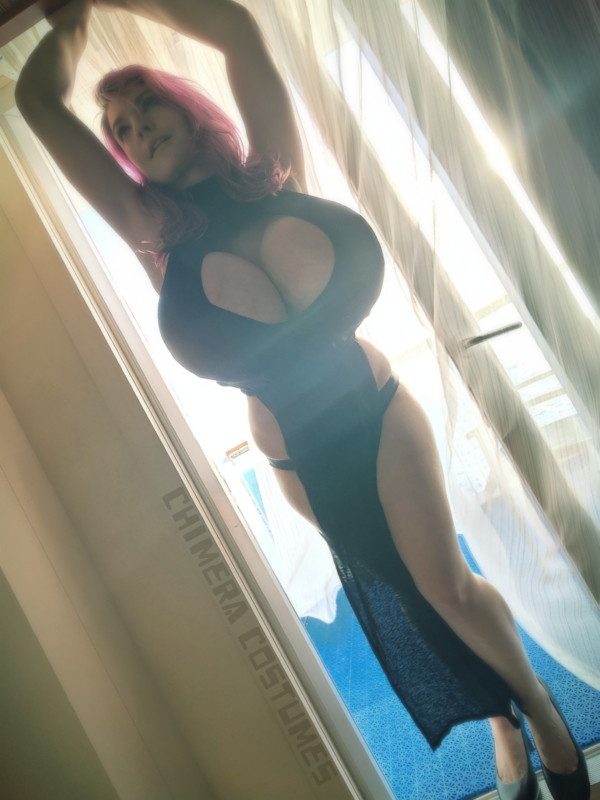
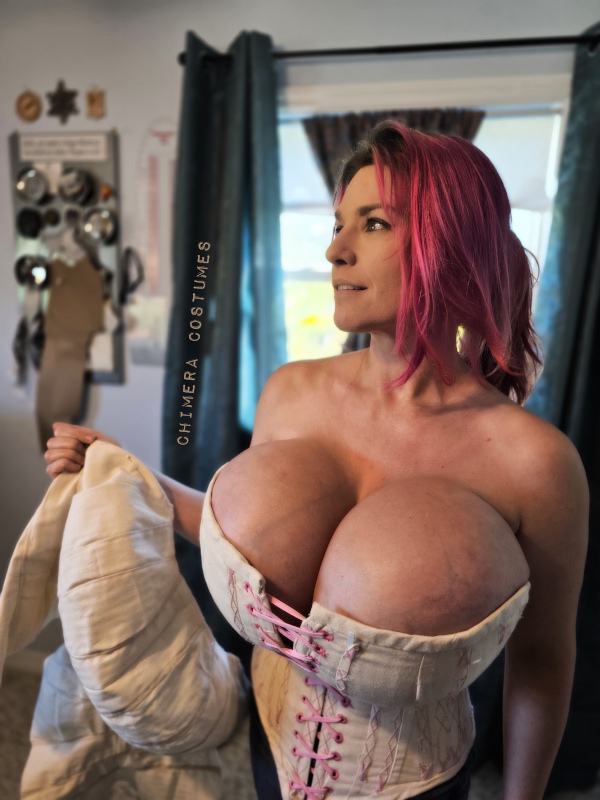
Chimera Costumes builds dark fantasy costumes from scratch — shadow elves, vampire queens, gothic sorceresses — and is a working example of goth aesthetic applied with genuine craft. Free build content on Twitch and YouTube. Exclusive sets on Patreon. Adult goth content on OnlyFans (18+).