The Sensibility Behind the Style
Goth is, at its most useful definition, a sensibility. An aesthetic orientation toward darkness, the morbid, the romantic, and the strange. It expresses differently in different people — some carry it in elaborate Victorian dress, others in the choice of what they read, what films they watch, what music never leaves their rotation, how their living space is arranged, and how they relate to mortality. All of these are goth lifestyle expressions even when none of them are immediately visible.
The blonde goth's version of this is particularly interesting precisely because it strips away the most visible marker. What remains is the genuinely goth element: the sensibility itself. The attraction to darkwave's melancholy electronics in preference to cheerful pop. The preference for Gothic literature over commercial fiction. The tendency to find beauty in cemeteries, in fog, in autumn decay, in candlelit rooms. These are not performances. They are what the culture actually is.
The Aesthetic of Daily Life
A goth lifestyle in practice might involve: a home furnished with dark textiles, Victorian objects, candles, and dead flowers; a reading list heavy on Gothic fiction, horror, and dark Romantic poetry; music preferences that consistently choose atmospheric over bright; a relationship with seasons that finds autumn and winter actively pleasurable; and a comfortable, un-anxious relationship with death as a topic and as an aesthetic.
Community
The goth community has a genuine and well-deserved reputation for welcoming people who feel they don't fit anywhere else. For the unconventional goth — the one who doesn't match the stereotype — this welcoming spirit is particularly valuable. Attending a goth club night for the first time, as someone who has been living the goth sensibility privately without visible community, is often a revelation.




In Practice
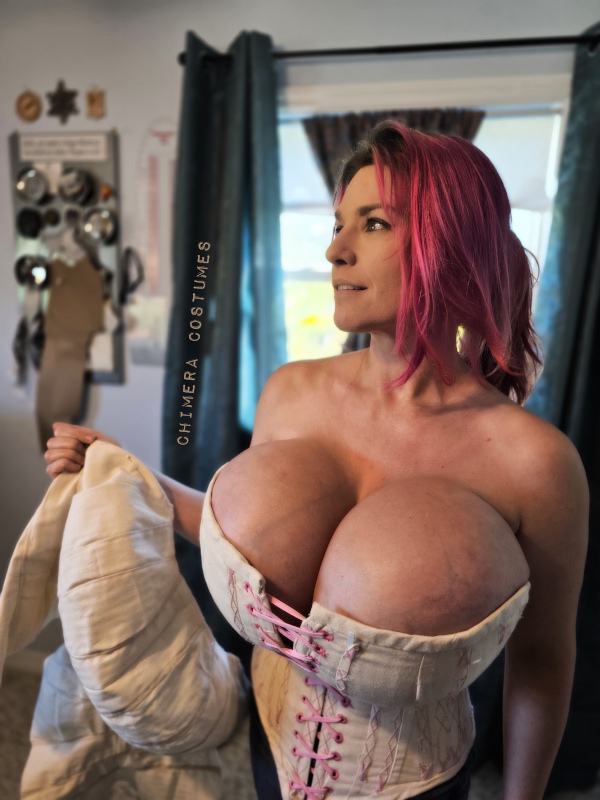
Chimera Costumes builds dark fantasy costumes from scratch — shadow elves, vampire queens, gothic sorceresses — and is a working example of goth aesthetic applied with genuine craft. Free build content on Twitch and YouTube. Exclusive sets on Patreon. Adult goth content on OnlyFans (18+).