Post-Punk Origins: 1978–1982
Goth did not arrive fully formed. It emerged gradually from the wreckage of punk — when punk's raw energy had burned through its initial fury and some of its survivors turned inward, finding darkness rather than aggression as the appropriate response to the world. Joy Division were the most significant early harbinger: Ian Curtis's clinical depression and epilepsy channelled through post-punk into music of extraordinary atmospheric weight.
Bauhaus released "Bela Lugosi's Dead" in 1979 — a nine-minute, bass-heavy invocation of the undead that crystallised what was forming. Siouxsie and the Banshees were already developing their confrontational dark aesthetic. The Cure began their "Dark Trilogy" of albums. The pieces were assembling.
The Batcave and the British Scene: 1982–1985
The Batcave club in London's Soho (1982) gave the emerging aesthetic its first dedicated physical home. The weekly nights hosted by Specimen's Ollie Wisdom provided a space where the visual vocabulary consolidated: black clothing, teased hair, dramatic makeup, platform boots. The music playing — Bauhaus, Sisters of Mercy, Sex Gang Children — gave the look its meaning. The word "goth" (from "gothic rock") was applied by music journalists, and it stuck.
American Deathrock
Simultaneously, Los Angeles developed its own strand: deathrock. Christian Death's Only Theatre of Pain (1982) was rawer, harder, more punk-descended than its British counterpart. The LA scene drew from horror film culture and American punk's confrontational energy. These two parallel traditions — British gothic rock and American deathrock — are the two roots of the goth family tree.
Darkwave, Industrial, and the Subgenre Expansion
From the mid-1980s through the 1990s, goth's sonic vocabulary expanded dramatically. Darkwave absorbed electronic music — Clan of Xymox, Deine Lakaien — and moved toward synthesiser-based melancholy. Industrial goth merged the darkness with mechanical aggression: Nine Inch Nails, Ministry, Marilyn Manson. Victorian and romantic goth developed its candlelit aesthetic of lace and loss. EBM and cybergoth created the dancefloor strand. Each new subgenre brought new participants and expanded the community.
The Scene Today
Goth has never been more globally accessible. Streaming platforms make the entire history available instantly. Social media creates community connections across geographies. Festivals like WGT in Leipzig draw tens of thousands annually. The darkwave revival of the 2010s produced a new generation of significant acts. The aesthetic continues to evolve — and the question of who belongs in it continues to be negotiated.



In Practice
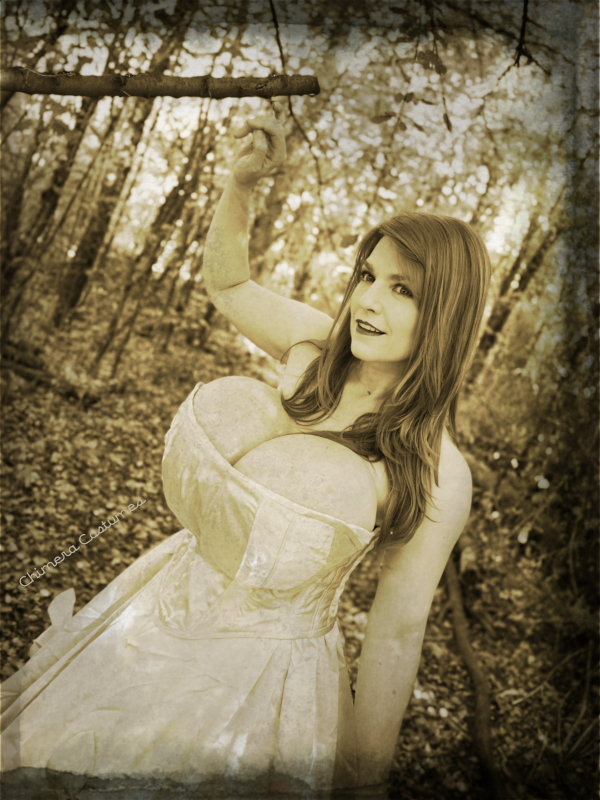
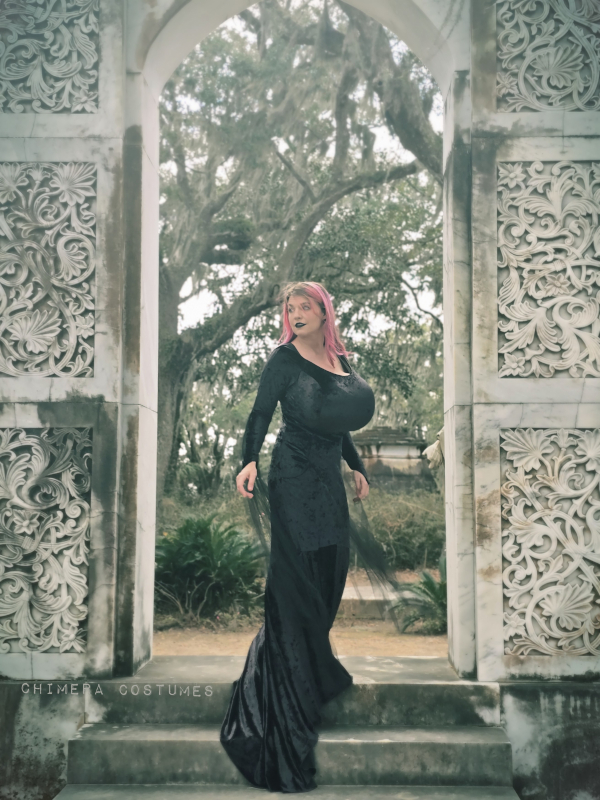
Chimera Costumes builds dark fantasy costumes from scratch — shadow elves, vampire queens, gothic sorceresses — and is a working example of goth aesthetic applied with genuine craft. Free build content on Twitch and YouTube. Exclusive sets on Patreon. Adult goth content on OnlyFans (18+).