German Expressionism: The Visual Root
Nosferatu (1922) and The Cabinet of Dr. Caligari (1920) gave goth cinema its foundational visual language: extreme shadow, distorted perspective, architecture that expresses psychological states, creatures and figures that belong to no comfortable category. These are not historical curiosities — they remain genuinely unsettling and are worth watching specifically for understanding where goth visual culture comes from.
Universal Horror
Dracula (1931), Frankenstein (1931), The Bride of Frankenstein (1935) — the Universal Monster pictures gave goth its enduring character archetypes. Bela Lugosi's Dracula established the formal dress and hypnotic gaze. Boris Karloff's creature established the sympathetic monster. These characters still drive goth costume and character aesthetics.
The Crow (1994)
Alex Proyas's The Crow is the most explicitly goth mainstream film ever made — its visual design is a goth cultural mood board made narrative: black leather, kohl makeup, rain-soaked industrial cityscape, Bauhaus on the soundtrack. Brandon Lee's posthumously released performance as Eric Draven gives the film a resonance that cannot be separated from his death during production. The soundtrack — NIN, The Cure, Rollins Band — is a goth time capsule.
Tim Burton's World
Beetlejuice (1988), Edward Scissorhands (1990), The Nightmare Before Christmas (1993) — Burton's visual language is goth aesthetic mainstreamed without losing its strangeness. His worlds are populated by outsiders and the lovably grotesque, drawing from German Expressionism and Victorian Gothic simultaneously.

In Practice
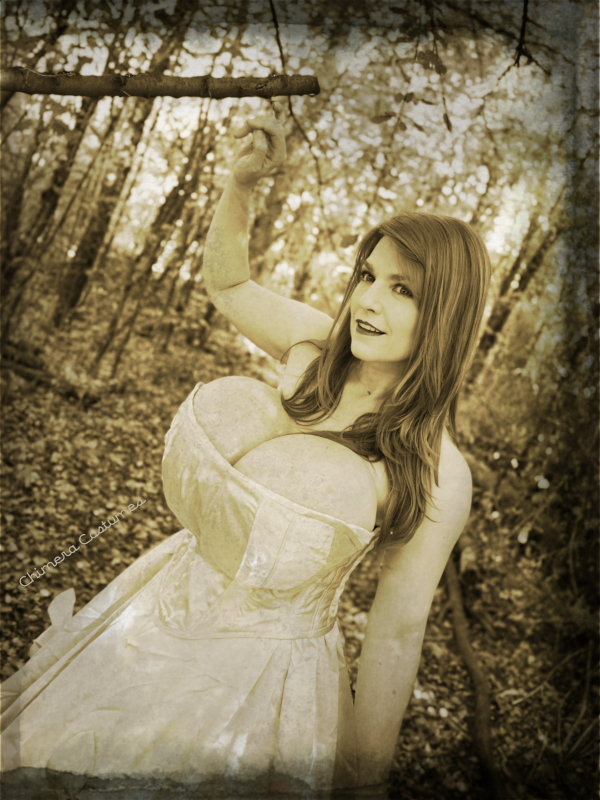
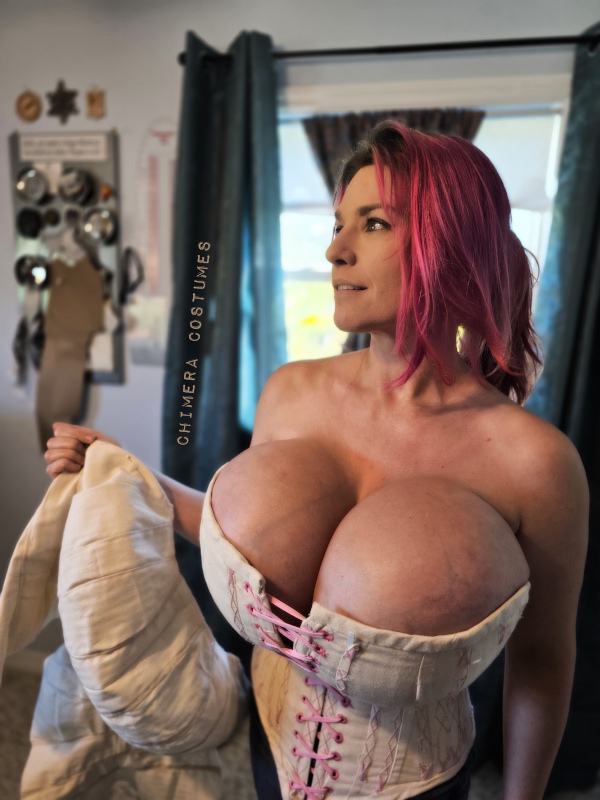
Chimera Costumes builds dark fantasy costumes from scratch — shadow elves, vampire queens, gothic sorceresses — and is a working example of goth aesthetic applied with genuine craft. Free build content on Twitch and YouTube. Exclusive sets on Patreon. Adult goth content on OnlyFans (18+).