Black: The Foundation
Black is, without question, goth's primary colour — present across every subgenre, every era, every level of aesthetic engagement with the culture. But it is not a simple or neutral choice. Black absorbs light; it creates depth and shadow. It provides a visual foundation against which other colours, textures, and tones have maximum impact. In goth fashion and interior design, black is not a retreat from colour but a choice that makes every other colour element more vivid.
Blood Red and Burgundy
Deep red — blood, crimson, burgundy, oxblood — is goth's most natural accent colour. The association with blood, with passion, with the dark romantic tradition makes it feel inherently correct in goth aesthetics. In fashion, deep burgundy velvet is one of the most quintessentially goth fabric choices. In makeup, oxblood and blood-red lips are the classic goth alternative to black. In interior design, deep burgundy walls create exactly the intimate, atmospheric quality goth domestic aesthetics require.
Deep Purple and Plum
Purple in its deepest expressions — midnight violet, dark plum, deep amethyst — has strong associations with the spiritual, the occult, and mourning. Victorian mourning conventions included purple as an acceptable mourning colour in later stages of bereavement. In goth aesthetics, deep purple works alongside or instead of black in fashion, makeup, and interior design.
Silver and Bone White
Silver and off-white — ghost tones, bone, ivory, spectral pale — play a specific role in goth aesthetics as the colours of death, the supernatural, and the ethereal. In goth makeup, white or pale foundation creates the characteristic pallor. In Victorian goth fashion, cream and ivory appear alongside black in period-accurate mourning dress. For light-haired goths, these tones also describe their hair — placing them naturally within this part of the goth colour vocabulary.

In Practice
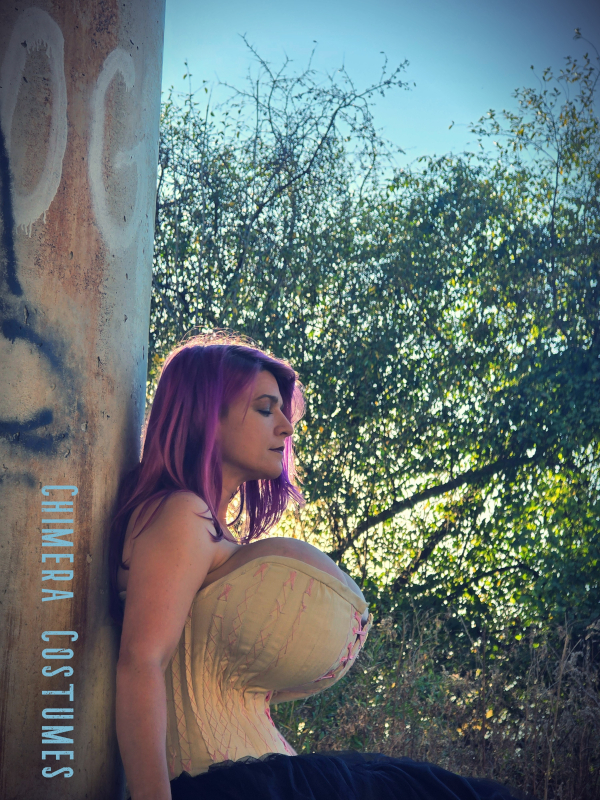
Chimera Costumes builds dark fantasy costumes from scratch — shadow elves, vampire queens, gothic sorceresses — and is a working example of goth aesthetic applied with genuine craft. Free build content on Twitch and YouTube. Exclusive sets on Patreon. Adult goth content on OnlyFans (18+).